

Prince Sattam bin Abdulaziz University (PSAU) continues to strengthen its position as a leading national university in scientific research, innovation, technology, and education. Its progress is supported by an integrated ecosystem focused on high-quality academic outcomes, support for researchers and innovators, the adoption of emerging technologies in education, and stronger partnerships with national and international sectors. These efforts align with the objectives of Saudi Vision 2030 to build an innovation-driven knowledge economy.
The University’s 2025 Annual Report reflects this direction, highlighting significant progress across academic, research, and administrative areas. Throughout the year, PSAU continued to enhance its local and international standing, advance teaching and learning, expand research and innovation, develop digital services, empower human capabilities, and build strategic partnerships.
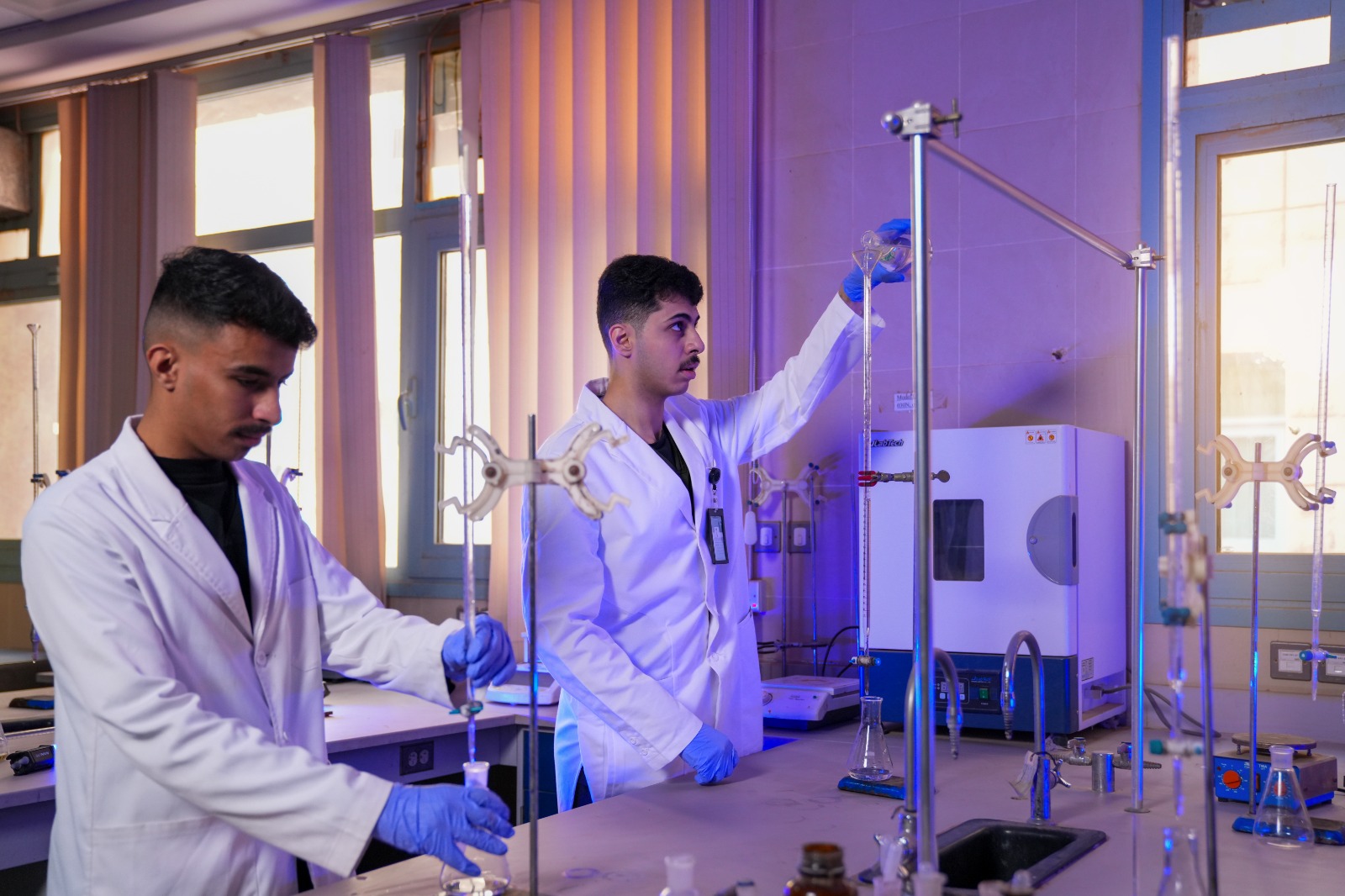
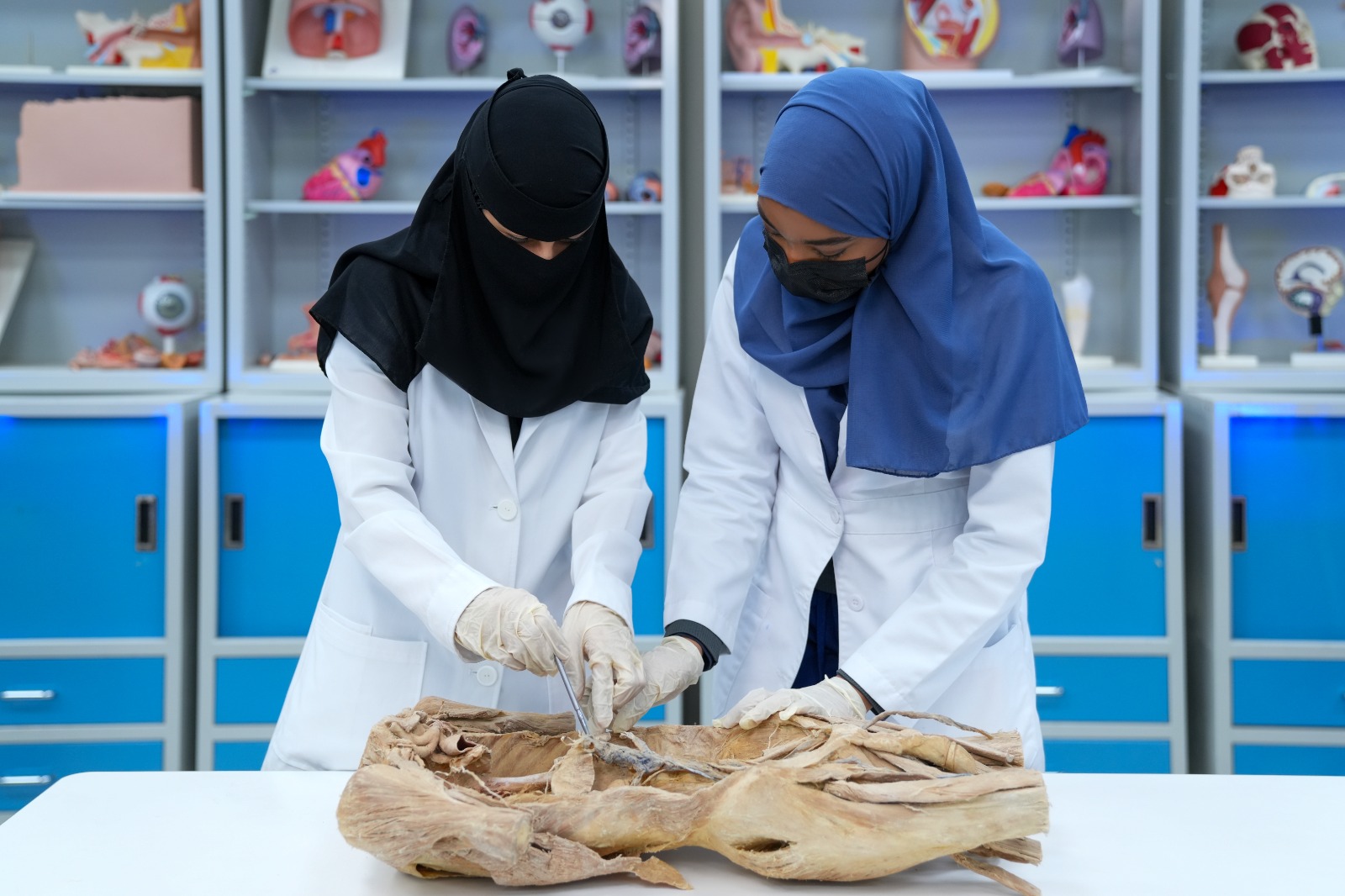
The strength and impact of the University’s research are evident in its scientific output. In 2025, approximately 3,352 research papers were published in journals indexed in the Web of Science database, spanning engineering, health sciences, natural sciences, humanities, and administrative disciplines. The University also achieved a Field-Weighted Citation Impact (FWCI) of approximately 1.79, indicating that its research was cited around 79% more than the global average for comparable fields and reflecting the growing impact of its scholarly output.
PSAU’s research ecosystem extends beyond academic publishing to transforming knowledge into practical solutions and innovations. In 2025, the University registered two patents in the fields of dentistry, computer engineering, and electrical engineering with the Saudi Authority for Intellectual Property.
The University also supported research and innovation projects addressing development and industrial needs, including programs designed to advance research in manufacturing industries in Al-Kharj Governorate. These initiatives strengthen collaboration between the University and the industrial sector while translating scientific research into economic and developmental value.
PSAU has also expanded its presence in international scientific competitions and platforms. In 2025, 17 University researchers were included in the Stanford–Elsevier list of the world’s top 2% of scientists. The University also received awards and medals in innovation competitions, including a gold medal and a jury award at WICO, in addition to achievements in robotics and scientific innovation competitions.
This momentum continued into 2026, with the University achieving further milestones in intellectual property, including five U.S. patents granted by the United States Patent and Trademark Office in advanced nanotechnology fields.
In technology, PSAU has established a clear path toward digital transformation as a key enabler of education, research, and administration. According to the Annual Report, the University achieved a 74.13% score in the 2025 Digital Transformation Measurement and completed 636 data-sharing transactions through the GSN platform, including 625 transactions with government entities, demonstrating growing institutional digital integration and data exchange.
The University also made significant progress in digital education during the 1446 AH academic year. It achieved the Excellence category in the National Digital Education Index, with a digital transformation rate of 82.85%, ranking eighth among 32 educational institutions. More than 4,500 e-courses were delivered, while flexible learning pathways were made available to approximately 2,200 students. The University also developed open educational resources and a platform for monitoring colleges’ engagement with the Blackboard learning management system.
PSAU is also integrating artificial intelligence directly into the learning environment. The University launched the Smart Assistant initiative within Blackboard, enabling students and faculty members to access information and educational content more efficiently. The system analyzes official educational materials and open resources and transforms them into an intelligent knowledge base capable of responding to academic inquiries.
The University has further expanded its open digital educational content. In 2025, the number of open educational resources increased to approximately 1,960, compared with 1,350 in the previous year—an increase of nearly 40%. Engagement with these resources rose by 80%, reaching approximately 9,820 interactions.
As part of its continued modernization of the learning environment, PSAU adopted the enhanced Blackboard Ultra learning management system to improve the efficiency of digital education, enhance the student and faculty experience, and provide a more flexible, efficient, and sustainable learning environment. The University also launched its unified digital platform to strengthen integration among electronic services and systems and improve academic and administrative efficiency.
Student innovation is another key component of this ecosystem. The University organized Innovation and Entrepreneurship Week, bringing together students, researchers, and organizations supporting innovative projects. The event showcased innovations in hydrogen-powered vehicles, artificial intelligence, sign-language translation, medical technologies, energy, the environment, and other fields. The organized innovative thinking program also attracted 400 competing projects, with 16 selected for the final stages.
This culture of innovation continues to expand through hackathons and specialized programs. During the 2026 Digital Innovation Hackathon, student teams developed technology solutions including an intelligent educational ecosystem, a computer vision and artificial intelligence system, and a smart data analytics platform. The University also organized a specialized AI Agents Hackathon to develop students’ and innovators’ capabilities in emerging technologies and intelligent solution development.
PSAU has also made notable progress in global academic competitiveness. According to the 2025 Annual Report, the University was ranked in the 401–500 band globally in the Times Higher Education World University Rankings. Its continued progress in international rankings has further strengthened its position among Saudi and Arab universities.
Most recently, PSAU ranked 116th in Asia in the Times Higher Education Asia University Rankings 2026, improving from the 201–250 band in the previous year and ranking seventh nationally. The University also entered the world’s top 450 universities and the top 20 universities in the Arab region, reflecting continued progress in academic and research performance and international engagement.
These achievements are closely connected to the University’s commitment to aligning education with labor market needs. In 2025, 685 students earned professional certifications, compared with 328 in 2024—an increase of 108.8%—strengthening the integration of academic education with the professional skills required by the labor market.
The University further advances this direction through strategic partnerships that support research, training, and knowledge exchange. During the reporting year, PSAU signed more than 30 agreements and memoranda of understanding with local organizations to provide research, training, and consulting services and enhance the skills and expertise of students and University personnel.
Together, these indicators demonstrate a clear transformation in PSAU’s institutional model—from a university focused primarily on delivering academic programs into an integrated knowledge ecosystem where education, scientific research, technology, innovation, and entrepreneurship converge. Research is increasingly aligned with national priorities, innovation is progressing from laboratories to patents and international competitions, and technology has become an integral part of education and University services. At the same time, students benefit from an environment increasingly equipped to nurture ideas and transform them into projects and practical solutions.
Through this approach, Prince Sattam bin Abdulaziz University continues to strengthen its position as a leader in research, innovation, technology, and education. Drawing on its academic capabilities, highly qualified talent, digital infrastructure, and strategic partnerships, PSAU is playing an increasingly important role in advancing knowledge, developing national capabilities, and supporting the knowledge economy in line with the Kingdom’s ambitions and the objectives of Saudi Vision 2030.
News Images