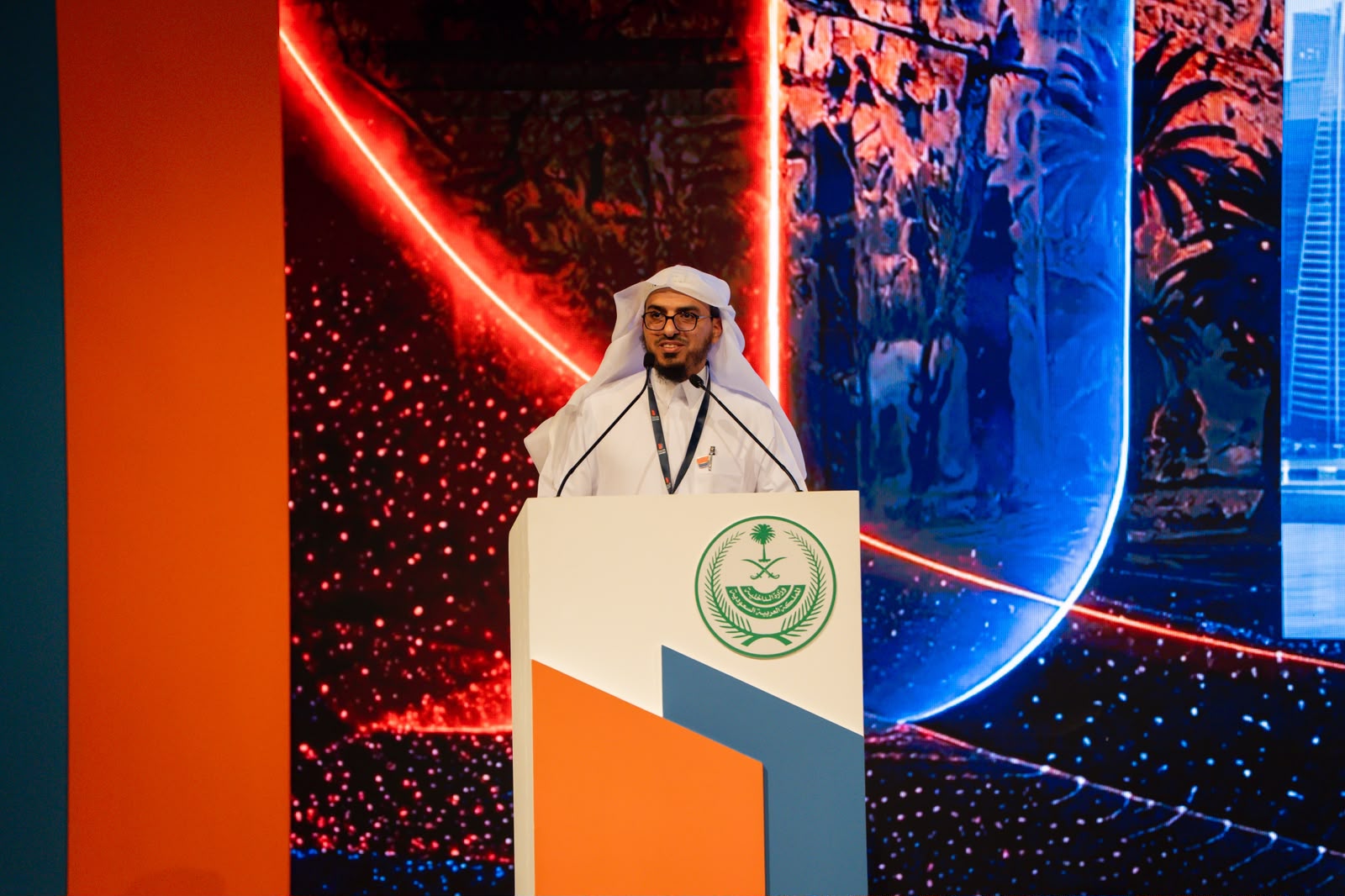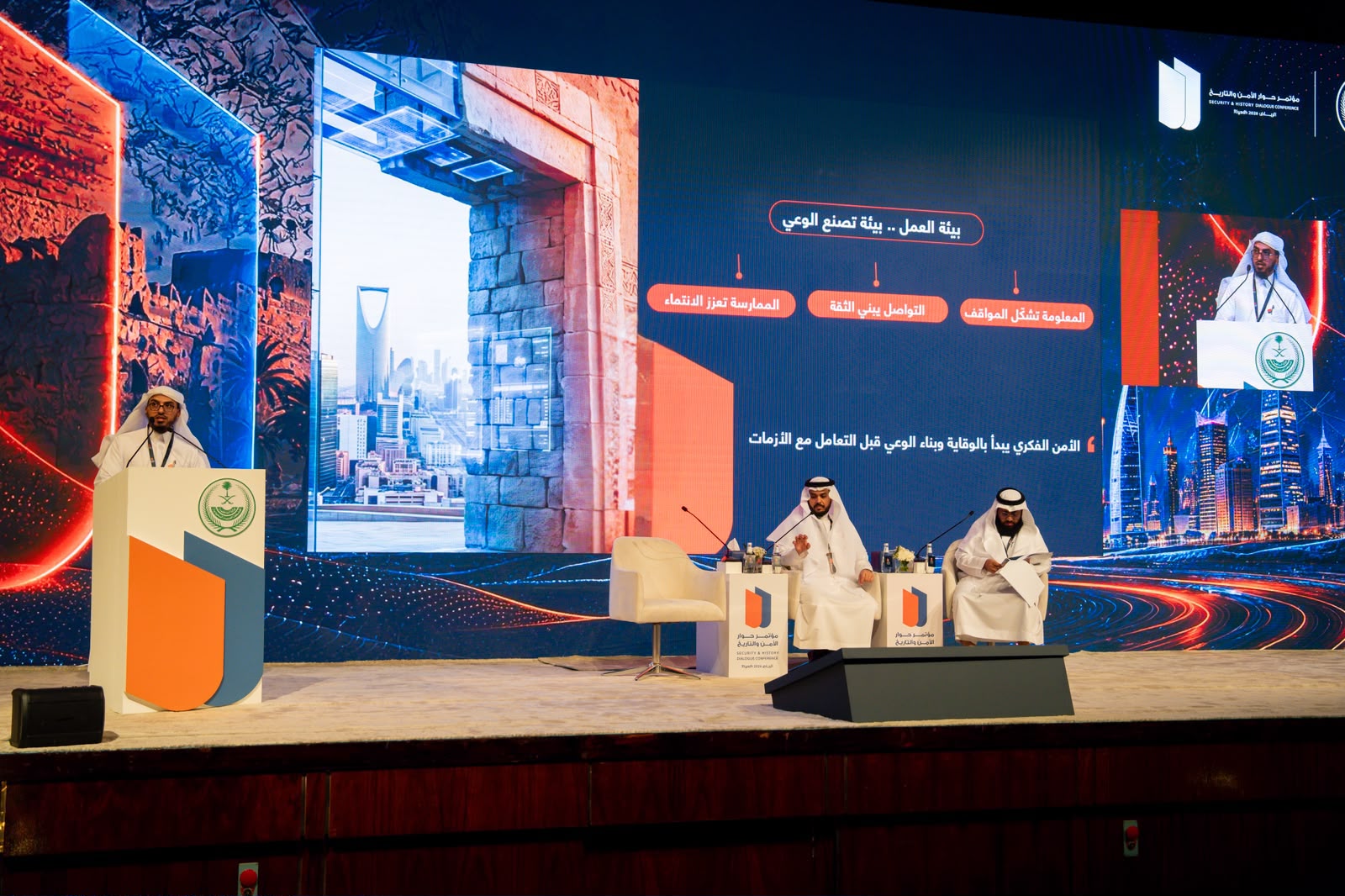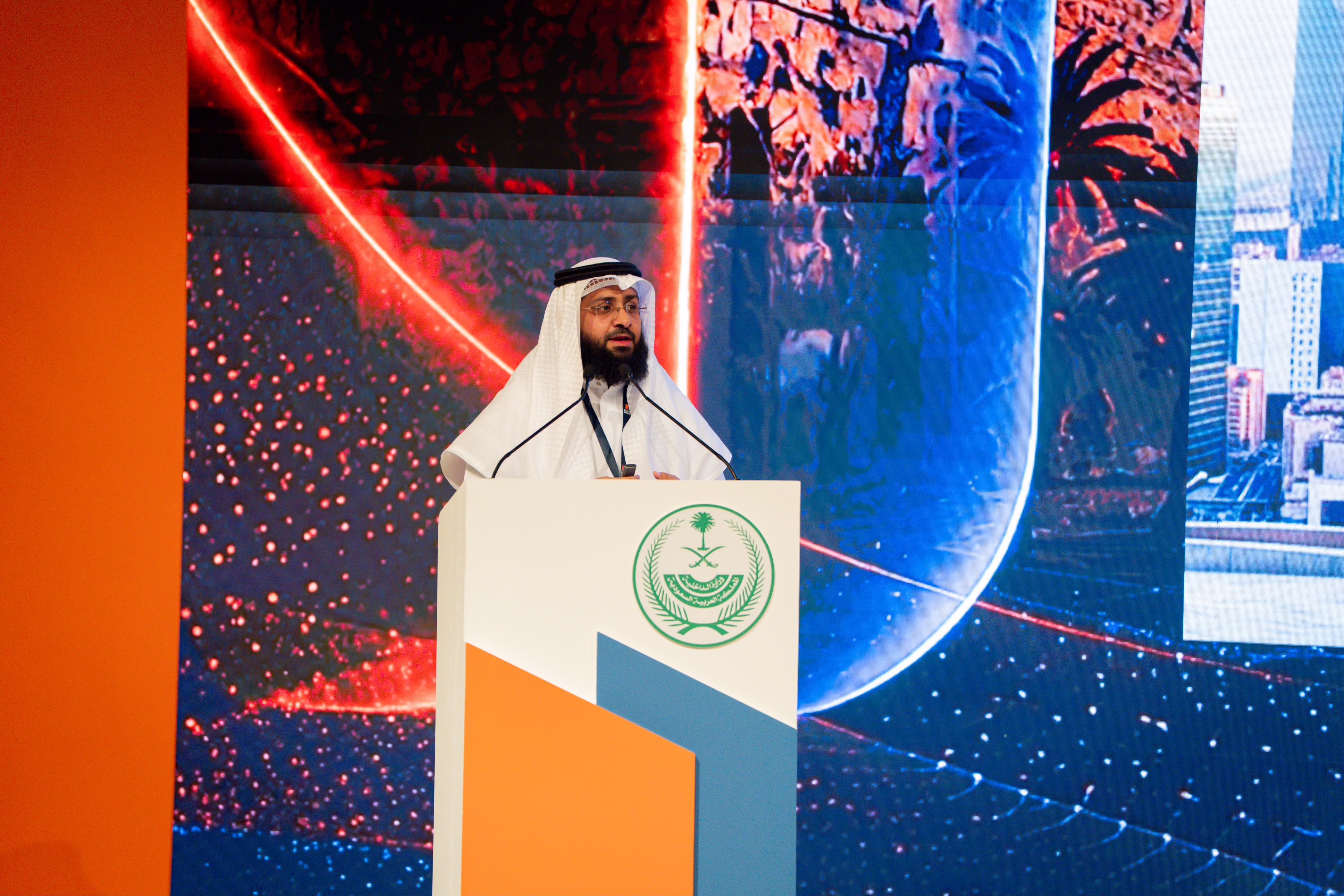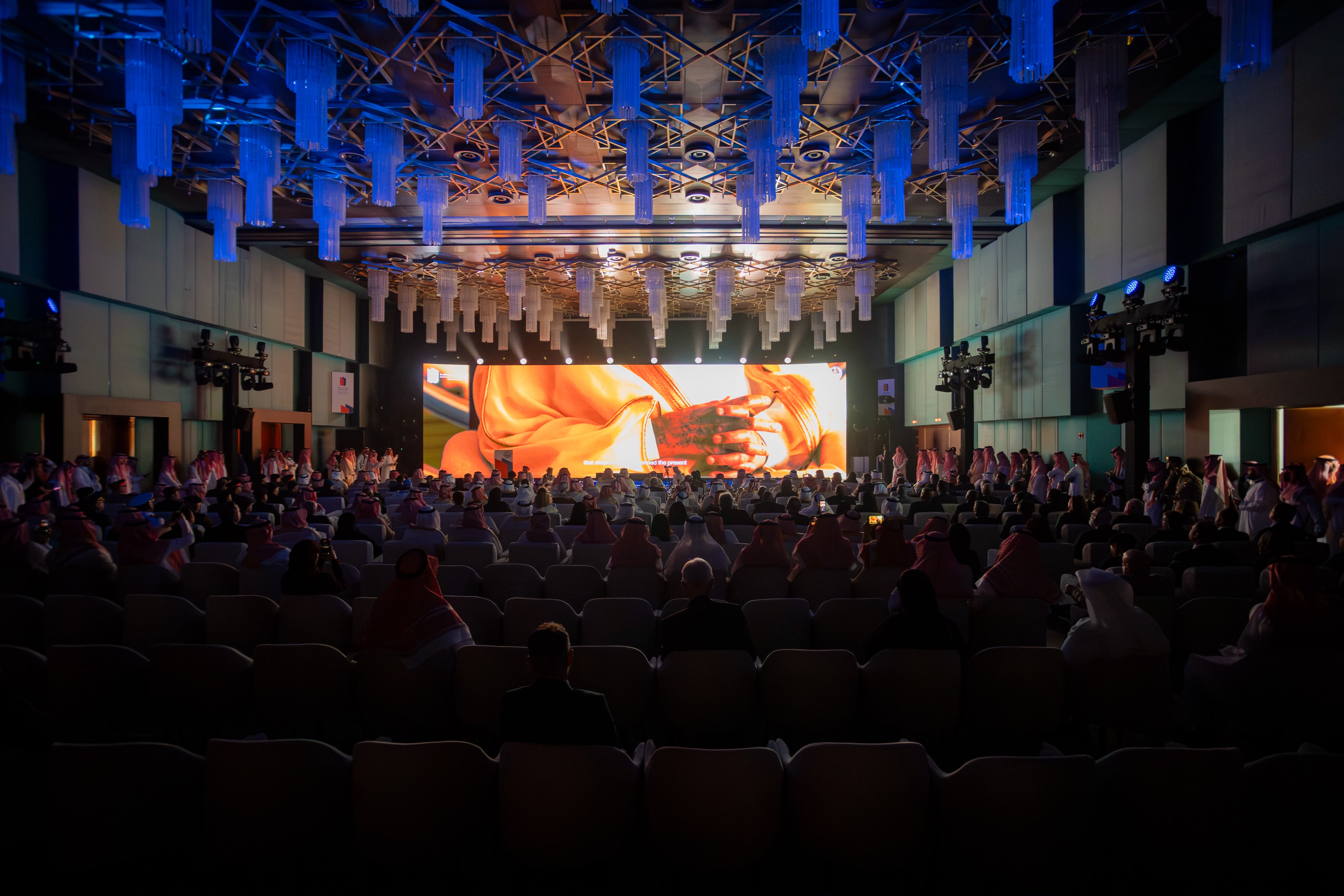


PSAU, represented by its Intellectual Awareness Unit, participated in the “Security and History Dialogue” Conference through a workshop titled “The Role of Government Entities in Protecting Intellectual Awareness and Promoting National Belonging.” The university’s participation focused on strengthening intellectual security, raising national awareness, and addressing intellectual and digital challenges.
PSAU’s participation covered three main themes. The first, “Intellectual Security in the Workplace,” was presented by Prof. Mohammed bin Muqbil Al-Muqbil, Supervisor of the university’s Intellectual Awareness Unit. He discussed the role of the workplace environment, institutional leadership, and reliable communication in preventing rumors, misinformation, and polarization, while promoting shared responsibility among leaders, employees, and institutions.
The second theme, presented by Prof. Khalid bin Matar Al-Sahli, focused on partnerships between universities and government entities in promoting intellectual security values. It also addressed the alignment of joint efforts with the goals of Saudi Arabia’s Vision 2030, the Human Capability Development Program, and efforts to strengthen national identity.
In the third theme, Dr. Fahad bin Saleh Al-Ghamdi discussed the use of artificial intelligence to promote intellectual awareness and monitor digital intellectual risks. He presented several practical applications, including an intelligent intellectual risk monitoring system, a simulation and training laboratory, an intelligent assistant for mentors and academics, and awareness content tailored to young people.
The university also presented the experience of its Intellectual Awareness Unit in the Intellectual Empowerment Hackathon, highlighting its efforts to turn academic knowledge into practical initiatives that contribute to strengthening awareness and intellectual resilience within the community.
This participation reflects PSAU’s continued role in addressing national issues, strengthening institutional partnerships, and using knowledge and modern technologies to support intellectual awareness and national belonging.
News Images